
Editorial Team & Peer Reviewers
Distinguished international scholars, educators, and peer reviewers dedicated to advancing academic rigor, epistemic integrity, and multidisciplinary innovation.

Asst. Prof. Dr. Paula Abola
Asst. Prof. Dr. Paula Abola is a researcher and educator specializing in higher education, clinical research, and research methodology. She holds a PhD in Clinical Research from the University of Jamestown with a focus on Parkinson’s Disease, graduating summa cum laude. Her scholarly work centers on knowledge disparities, shared decision-making, and evidence-based approaches in clinical and educational research. She is currently also pursuing a Doctor of Education.
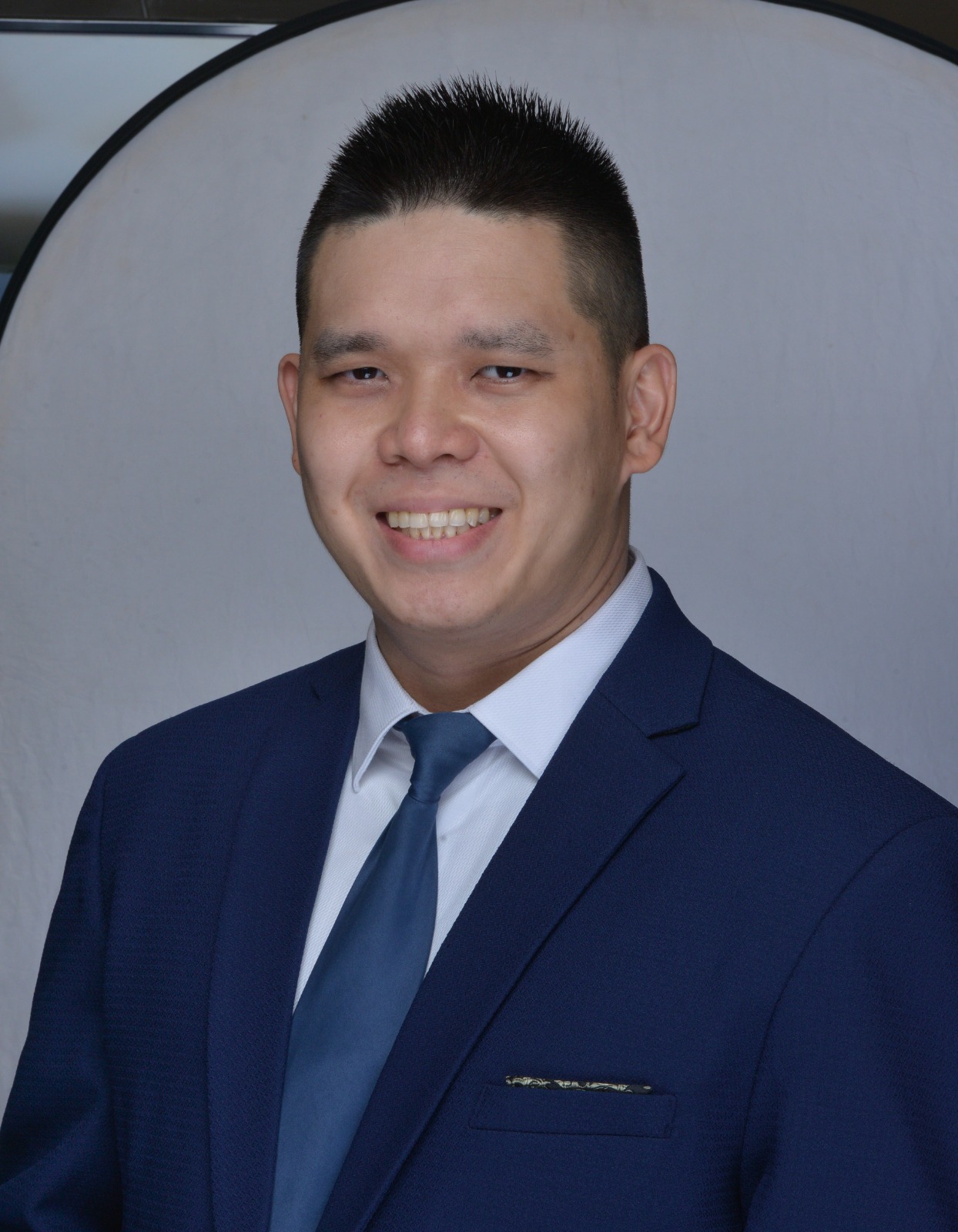
Dr. Guo Qiang Tan
Dr. Guo Qiang Tan is a multi-disciplinary scholar, educator, and practitioner whose work spans public policy, organizational psychology, leadership development, and adult learning. He holds four doctoral degrees: a Doctor of Philosophy in Public Policy (Dunster Business School), Doctor of Psychology (European International University), Professional Doctorate in Education (European International University), and Doctor of Business Administration (Golden Gate University), reflecting a deep commitment to rigorous, practice-informed scholarship and lifelong learning.
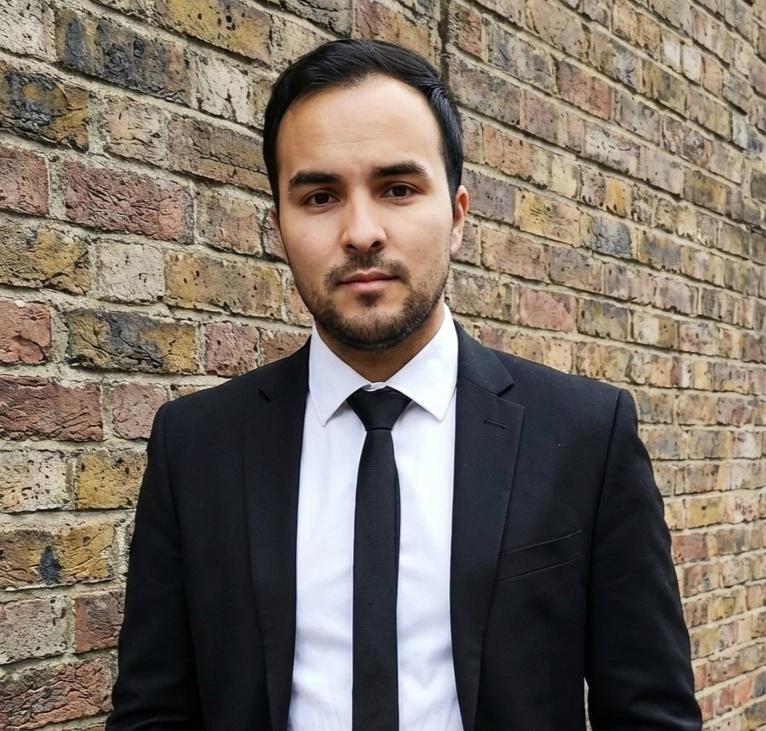
Prof. Dr. Alisher Toshpulotov
Prof. Dr. Alisher Toshpulotov is an economist, researcher, and educator specializing in macroeconomics, state-owned enterprises, and economic modernization in developing nations. He holds a PhD in Business & Economics from European International University (EIU-Paris), where his doctoral research focused on the strategic management and innovative modernization of state-owned enterprises in the Republic of Tajikistan. Alongside his core expertise in economics, Dr. Toshpulotov is deeply committed to educational advancement, holding a Master of Education (M.Ed.) from the University of the People (USA) and a Master of Science in Economics with Honors. His scholarly inquiries center on the digital economy, corporate governance, financial management in public administration, and the dynamics of labor mobility and digital transformation.

Dr. Suela Pirushi
Dr. Suela Pirushi is an interdisciplinary scholar and a strategic partnerships and AI consultant whose work sits at the meeting point of business, governance, law, and the emerging field of epistemic leadership in human-AI co-production. She is also an alumna of the Executive Leadership Program at Saïd Business School, University of Oxford. She holds a PhD from Hawkins University in the USA, where her doctoral research looked at how epistemic governance holds up inside professional-services organizations that are increasingly shaped by AI, and holds a Master in Governance, a Master in Multimedia Design and Computer Sciences, and Bachelor and Master of Arts degrees in Law, an unusual mix of disciplines that reflects how she has approached learning throughout her career.

Dr. Olga Leontjeva
Dr. Olga Leontjeva is a Professor at the EU Business School in Barcelona, collaborating with the University of Derby, a Visiting Professor at the Faculty of Social Sciences at Riga Stradins University, and an External Peer Reviewer for the EIU Journal of Action Research. Holding a PhD in Management from the University of Latvia, her research interests focus on employee training and sustainability in Human Resource Management, as well as ethical and effective HR recruitment and selection using contemporary tools. Her current research is focused on the HRM issues and AI-powered solutions.

Dr. Simran Ballani
Dr. Simran Ballani is an education researcher, author, pedagogical expert, and education leader specializing in Early Childhood Education, Creative Pedagogy, Social-Emotional Learning, Educational Leadership, and School Development. Her research interest, “Advancing Leadership through Social-Emotional Learning & Early Years Education,” explores how early experiences and social-emotional development shape the foundations of lifelong leadership, learning, and holistic development.